MAGIC MASTS AND STURDY SHIPS
  • Welcome to Magic Masts and Sturdy Ships
  • Immigrant Engineer Joseph Van Blerck
  • The Fitzgeralds :Ships and Men
  • Captain John Miner: Savvy Sailor, Skillful Skater
  • Eber and Samuel Ward, Captains of the Great Lakes Shipping Industry
  • Does Captain Byron Inman Haunt His Tug Record in Duluth Harbor?
  • Great Lakes Captains
    • Chaplain John David Jones Preached on the Cleveland Waterfront
    • Great Lakes Winds in the Rigging..
    • Captain Robert Mayo Invents a Revolving Life Boat
    • Did Captain John McKay Float a Bottle Note as the Manistee Sank?
  • The Lake Michigan Steamer Alpena Sinks in a Monster October Storm
  • Captain Delos Smith Says Rescues Are All in a Day's Work
  • Captain William Callaway Sailed a Milwaukee Schooner to Hamburg
  • The Maritime Mixed Blessings of Captain John Pridgeon
  • Captain Henry Woods, Muskegon's Traveled and Talented Lifesaver
  • Captain George L. Thompson and the Pere Marquette 16
  • CQD, Captain Peter Kilty, and Pere Marquette Car Ferry No. 18
  • Silver Islet - Mining Silver Under Lake Superior
  • The Eastland/Wilmette Steamed a Wide Wake on the Great Lakes
  • Captain Amos Foster Meets Admiral Porter and President Lincoln
  • The Newly-Weds, a Winter Storm, and the Waubuno
  • President Grover Cleveland's Secret Surgery on the Steam Yacht Oneida
  • Yankee John Murray vs. Conspirator Charles Cole - the Johnson's Island Plot
  • Ice Skater Benjamin Langford is Rescued from Lake Erie Ice
  • The Legend of Cape Maleas in Greece Transcends Time
  • The Miami Canal Is Part of Toledo Maritime History
  • Does Columbus Sail His Ships in Jackson Park Lagoon?
  • The Ticonderoga's Haunted Blue Bell with the Bewitching Tone
  • The Last Voyage of the Slave Ship Martha Kane and Her Haunted Jolly Boat
  • Two Great Lakes Ships Still Make Ghostly Voyages on Lakes Superior and Michigan
  • The Poet and the Prisoners: Philip Freneau and the Revolutionary War Death Ships
  • A Thanksgiving Break in Lake Michigan Breakers
  • Titanic Headlines, Titanic Questions
  • George Gordon Meade Built Lighthouses and Surveyed the Great Lakes Before the Civil War
  • President Abraham Lincoln Refused to Pardon Slave Trader Captain Nathaniel Gordon
  • A Privateer Whaleboat Raid on a New Jersey Night
    • CSS Shenandoah, the First World Voyager Fires the Last Shot in the Civil War
    • The CSS Tallahassee - Terror of the Eastern Seaboard
    • The CSS Alabama's Canon is Home in Alabama
    • Thomas Adams Fought the Great Detroit Fire and Sailed with Captain Robert Hackett
    • Two Rival Captains Challenge the Atlantic Ocean in Small Boats
    • A German U-Boat Sinks the Algonquin and Bombs America Into World War I
    • Six Small Boys in a Lifeboat - The Story of the City of Benares
  • "I have One More Hour of Fuel"- Operation Frequent Wind and the USS Midway
  • SS Orduna- Warrior, Troop Ship, and Stage for Human Drama
  • Operation Dynamo at Dunkirk is an Inspiring Maritime Historical Story
  • Christmas Parties on Captain Hiram Meeker's Floating Bethel
  • Colonel Lafourche Reported the Story of the Capture of Sam Ferrell's Mississippi River Pirate Gang
  • "Father Put Me in the Boat -" The Story of the Northfleet
  • Veterans Stories - Charles Wedel
  • The Thirteenth Voyage of the USS Northern Pacific
  • Maritime People
    • Bill and Nell Lively Make Maritime History on Isle Royale
    • Captain James Byers Hijacks His Own Steamer and Rejoins the Union
    • Canadian and American Fishermen Fight a New Battle of Lake Erie
    • Sturdy Ships >
      • Ecorse Rowing Club History
      • A Bright Red Lightship, LV75, Guided Ships Across Lake St. Clair
      • The USS Michigan - the First Iron Ship of Her Age
      • The USS Yantic Enjoys a Sixty Year Career and a Home Birth on the Great Lakes
      • Gun Fight at the Cape Florida Lighthouse
      • The Coal Pirates of Cold Spring Harbor
      • Maria Bray Lights Up a Christmas Celebration on Thacher Island
    • The Steamship Pulaski's Passengers Survive Her Sinking and Fall in Love
    • Women Help Save the Crew of the Bark Martha P. Tucker >
      • Does Faithful Florence Martus Still Wave to Her Yankee Lover?
      • Captain Matthew Webb Challenged the English Channel and Niagara Falls
      • Lights Shine from St. Philips and Beverly Baptist Church Steeples
      • Lightkeeper Chase and His Crew Rescue the H.P. Kirkham and Its Crew
      • Major Archie Butt and His Titanic Gift >
        • Captain Harry Ward Cruised Gold Fields and Commanded a Slave Ship
        • Alfred Lord Tennyson and the River Witham - Re-Crossing the Bar
  • Imaginary Lenses: Great Lakes Lighthouse Fiction
  • Immigrant Engineer Joseph Van Blerck
  • Immigrant Engineer Joseph Van Blerck

The Coal Pirates of Cold Spring Harbor

Picture

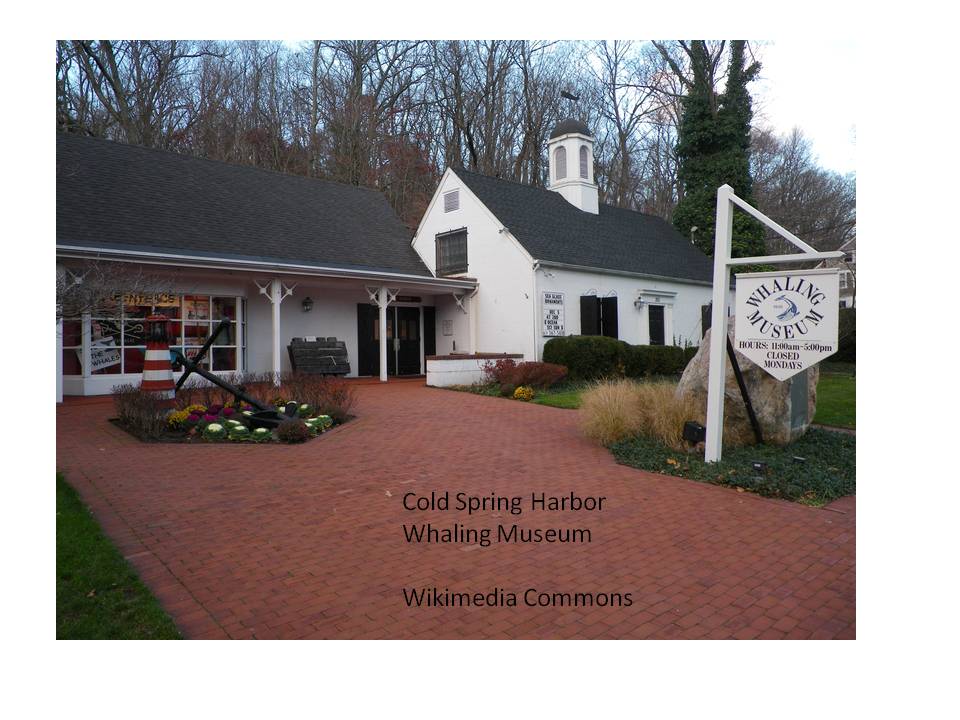
The village of Cold Spring Harbor is one of the small communities that hug the North Shore or Sound Shore of Long Island from Willets Point to Montauk Point. Cold Spring Harbor has neighbors with names like Oyster Bay Harbor, Bayville Bridge, and Eaton’s Neck Point. In 1874, Cold Spring Harbor featured a maritime life style, scenic beauty, natural springs, and coal pirates. The coal stealing pirates were ordinary people living in Cold Spring Harbor.

What Happened to the Coal?

During the 1870s, powerful trusts controlled the railroads and the coalfields of Pennsylvania, Maryland and New Jersey that
supplied New England ports with coal. Owners of companies like the Lehigh Valley Coal Company were increasingly puzzled about a yearly loss of coal totaling thousands of tons as coal barges carried their black diamond cargoes from seller to buyer.


At first, the short shipments produced suits and compromises between the coal buyers and distributors at Providence,Boston, Portland and other ports and the coal companies, but the short shipments continued. The mining companies began to create contracts that specified delivery only to the coal carrier and didn’t guarantee the safe delivery of the coal shipment from the coal carrier to the customer. If something did happen to the coal shipments as the barges and schooners carried them down the rivers and Long Island Sound, the customer usually footed the bill.

The owners vigilantly and unsuccessfully tried to trace the coal shipments which were loaded at Baltimore, Maryland, and Port Johnson, New Jersey, into schooners built especially for the coal freighting trade. After they were loaded at Baltimore and other ports, the coal schooners generally traveled the coast up through New York Bay to the East River and on through Hell Gate to Long Island Sound and Cold Spring Harbor and the other communities along the Sound Shore.

After much trailing and tracing, investigators finally determined that someone was stealing the coal from the barges. They had to discover how the coal was stolen and who was stealing it.

Cold Spring Harbor, A Natural Coal Mine?

Captains and crews native to Cold Spring Harbor owned over twenty coal freighting schooners and most of the people of Cold Spring Harbor were part of the coal carrying trade. A story in the Brooklyn Eagle described them as “a thrifty, well to do class of people, living in good houses, well warmed and comfortable by day and by night at all seasons of the year.”

Cold Spring Harbor had an agency that sold coal and a coal yard that always carried an abundant supply of coal. A few people in Cold Spring Harbor wondered where the coal came from and why they didn’t have to pay for it, but most of them held their peace and enjoyed the prosperity.

Eventually, news of the liberal and free coal supply in Cold Spring Harbor filtered back to the mine owners and their investigators managed to find a few citizens in Cold Spring Harbor who were willing to keep their eyes and ears tuned to Long Island Sound and the coal barges and funnel any information they gathered to the mine owners.

Citizens on Both Sides Keep Coal Barges and Captains and Crews Under Surveillance

Citizens, both informants and participants, kept a sharp watch on the Sound Shore and around April 1, 1874, people in Cold Spring Harbor watched one of the coal barges that their village owned anchor near the shore to spend the night. The Sound weather had turned dark and stormy, so it seemed natural that the coal barge should drop anchor and wait out the storm and the night. Captains and their crews considered this routine safety practice in navigating the often dangerous Sound and it also gave them a chance to spend a few hours with their families.

For several nights during the first two weeks of April, 1874, captains and crews of the Cold Spring Harbor owned coal barges spent the night anchored off shore, and for several nights several pairs of eyes and ears watched and listened. A few especially alert watchers believed that in the dead of the night they heard sounds like the falling of coal coming from the harbor shore. The next morning when they went down to investigate, they didn’t find any evidence that coal had been unloaded under the cover of darkness.

One of Many Great Cold Spring Harbor Coal Heists

Finally on the evening of Saturday, May 2, 1874, just before dark, a particular coal schooner, name and captain both well known in the community, dropped anchor in Cold Spring Harbor just before high tide. The captain had carefully calculated his timing, which permitted the schooner to anchor in a small cover of the harbor near the beach which stood completely uncovered at low tide.

One of the citizen informants immediately edged down to the beach, keeping out of sight and watching the activity on the schooner and on the shore. Between 8 and 9 o’clock in the evening while the light still held, the captain and the crew threw several tons of coal into the water and some of the crew loaded coal into small boats. People quickly carried away large piles of coal stacked on the beach and the captain and his crew unloaded more coal. They carried piles of coal to their houses. Then when ebb tide came, the schooner weighed anchor and sailed away, but the people of Cold Spring Harbor continued the work of carrying away the coal that the captain and crew had left high and dry at low tide throughout the night.

On Monday May 4 1874, two of the citizen informants of Cold Spring Harbor traveled to the New York office of the Lehigh and Wilkesbarre Coal Company located at 50 Broadway. They reported what they had witnessed at Cold Spring Harbor two days earlier to John F. Wilson, General Sales Agent of the Lehigh and Wilkesbarre Coal Company.The two citizens estimated that about fifteen tons of coal had been taken off the schooner at Cold Spring Harbor, and
they offered to act as personal witnesses if the company decided to prosecute.


The Outcome of One of the Great Cold Spring Harbor Coal Heists

The Lehigh and Wilkesbarre Coal Company sent word to Pawtucket, Rhode Island, the destination of the shipment, to have the cargo of the schooner in question carefully weighed. About May 18, 1874, the company agent in Pawtucket replied that the coal shipment had been weighed and the cargo “held out as per bill of lading.”

On June 10, 1874, the Brooklyn Eagle reported that the two citizen informants had told them the story hoping that the notorious captain, crew, and their schooner would be punished. The Eagle reporter went to John F. Wilson’s office at 50 Broadway and asked if the Lehigh and Wilkesbarre Coal Company intended to prosecute the coal stealing culprits. John F. Wilson would not comment.

The Brooklyn Eagle did comment, pointing out that in the end the coal consumers would be the one to suffer the consequences of the coal heists. “The great coal companies are not legally bound to make the deficiency good, while the distributors, determined not to be losers, charge an additional price for the coal received in order to make good the theft,” it said.

The Brooklyn Eagle appealed to the citizens of Cold Spring Harbor to stop participating in the coal heists on their front doorstep so that Long Island communities and the rest of the nation would find some relief from high coal prices.

The Eagle said that Cold Spring Harbor was not the only community that practiced grand coal larceny. It pointed out that “one or more places where schooners are owned along the Sound Shore of Long Island are guilty of the same serious practices.”

Most of the citizens of Cold Spring Harbor and the other communities of the Sound Shore of Long Island continued to heist coal well into the Twentieth Century, motivated by monopoly coal companies fixing prices, coal strikes, coal shortages, and proximity and opportunity.

It also helped to have a  generational supply of ordinary citizens working part time as coal pirates!

References

Dublin, Thomas and Licht, Walter. The Race of Decline: The Pennsylvania
Anthracite Region in the Twentieth Century. Cornell University Press, 2005.


Freese, Barbara. Coal:
A Human History. Penguin, 2004.


Gutman, Herbert G. "Two Lockouts in
Pennsylvania, 1873-1874," The Pennsylvania Magazine of History and
Biography, (83), 1959.


Weigold, Marilyn. The Long Island Sound: A History of Its People, Places, and
Environment. New York University Press, 2004.



Powered by Create your own unique website with customizable templates.
  • Welcome to Magic Masts and Sturdy Ships
  • Immigrant Engineer Joseph Van Blerck
  • The Fitzgeralds :Ships and Men
  • Captain John Miner: Savvy Sailor, Skillful Skater
  • Eber and Samuel Ward, Captains of the Great Lakes Shipping Industry
  • Does Captain Byron Inman Haunt His Tug Record in Duluth Harbor?
  • Great Lakes Captains
    • Chaplain John David Jones Preached on the Cleveland Waterfront
    • Great Lakes Winds in the Rigging..
    • Captain Robert Mayo Invents a Revolving Life Boat
    • Did Captain John McKay Float a Bottle Note as the Manistee Sank?
  • The Lake Michigan Steamer Alpena Sinks in a Monster October Storm
  • Captain Delos Smith Says Rescues Are All in a Day's Work
  • Captain William Callaway Sailed a Milwaukee Schooner to Hamburg
  • The Maritime Mixed Blessings of Captain John Pridgeon
  • Captain Henry Woods, Muskegon's Traveled and Talented Lifesaver
  • Captain George L. Thompson and the Pere Marquette 16
  • CQD, Captain Peter Kilty, and Pere Marquette Car Ferry No. 18
  • Silver Islet - Mining Silver Under Lake Superior
  • The Eastland/Wilmette Steamed a Wide Wake on the Great Lakes
  • Captain Amos Foster Meets Admiral Porter and President Lincoln
  • The Newly-Weds, a Winter Storm, and the Waubuno
  • President Grover Cleveland's Secret Surgery on the Steam Yacht Oneida
  • Yankee John Murray vs. Conspirator Charles Cole - the Johnson's Island Plot
  • Ice Skater Benjamin Langford is Rescued from Lake Erie Ice
  • The Legend of Cape Maleas in Greece Transcends Time
  • The Miami Canal Is Part of Toledo Maritime History
  • Does Columbus Sail His Ships in Jackson Park Lagoon?
  • The Ticonderoga's Haunted Blue Bell with the Bewitching Tone
  • The Last Voyage of the Slave Ship Martha Kane and Her Haunted Jolly Boat
  • Two Great Lakes Ships Still Make Ghostly Voyages on Lakes Superior and Michigan
  • The Poet and the Prisoners: Philip Freneau and the Revolutionary War Death Ships
  • A Thanksgiving Break in Lake Michigan Breakers
  • Titanic Headlines, Titanic Questions
  • George Gordon Meade Built Lighthouses and Surveyed the Great Lakes Before the Civil War
  • President Abraham Lincoln Refused to Pardon Slave Trader Captain Nathaniel Gordon
  • A Privateer Whaleboat Raid on a New Jersey Night
    • CSS Shenandoah, the First World Voyager Fires the Last Shot in the Civil War
    • The CSS Tallahassee - Terror of the Eastern Seaboard
    • The CSS Alabama's Canon is Home in Alabama
    • Thomas Adams Fought the Great Detroit Fire and Sailed with Captain Robert Hackett
    • Two Rival Captains Challenge the Atlantic Ocean in Small Boats
    • A German U-Boat Sinks the Algonquin and Bombs America Into World War I
    • Six Small Boys in a Lifeboat - The Story of the City of Benares
  • "I have One More Hour of Fuel"- Operation Frequent Wind and the USS Midway
  • SS Orduna- Warrior, Troop Ship, and Stage for Human Drama
  • Operation Dynamo at Dunkirk is an Inspiring Maritime Historical Story
  • Christmas Parties on Captain Hiram Meeker's Floating Bethel
  • Colonel Lafourche Reported the Story of the Capture of Sam Ferrell's Mississippi River Pirate Gang
  • "Father Put Me in the Boat -" The Story of the Northfleet
  • Veterans Stories - Charles Wedel
  • The Thirteenth Voyage of the USS Northern Pacific
  • Maritime People
    • Bill and Nell Lively Make Maritime History on Isle Royale
    • Captain James Byers Hijacks His Own Steamer and Rejoins the Union
    • Canadian and American Fishermen Fight a New Battle of Lake Erie
    • Sturdy Ships >
      • Ecorse Rowing Club History
      • A Bright Red Lightship, LV75, Guided Ships Across Lake St. Clair
      • The USS Michigan - the First Iron Ship of Her Age
      • The USS Yantic Enjoys a Sixty Year Career and a Home Birth on the Great Lakes
      • Gun Fight at the Cape Florida Lighthouse
      • The Coal Pirates of Cold Spring Harbor
      • Maria Bray Lights Up a Christmas Celebration on Thacher Island
    • The Steamship Pulaski's Passengers Survive Her Sinking and Fall in Love
    • Women Help Save the Crew of the Bark Martha P. Tucker >
      • Does Faithful Florence Martus Still Wave to Her Yankee Lover?
      • Captain Matthew Webb Challenged the English Channel and Niagara Falls
      • Lights Shine from St. Philips and Beverly Baptist Church Steeples
      • Lightkeeper Chase and His Crew Rescue the H.P. Kirkham and Its Crew
      • Major Archie Butt and His Titanic Gift >
        • Captain Harry Ward Cruised Gold Fields and Commanded a Slave Ship
        • Alfred Lord Tennyson and the River Witham - Re-Crossing the Bar
  • Imaginary Lenses: Great Lakes Lighthouse Fiction
  • Immigrant Engineer Joseph Van Blerck
  • Immigrant Engineer Joseph Van Blerck